How to Make the Perfect Pizookie at Home: A Gooey Skillet Cookie Guide
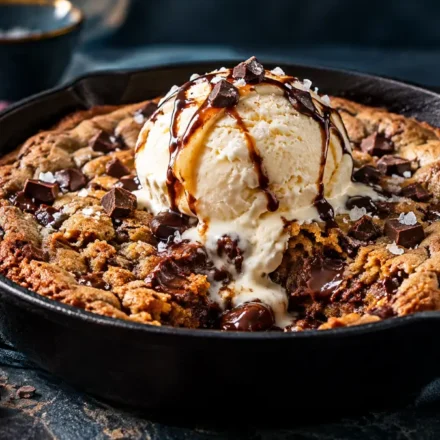
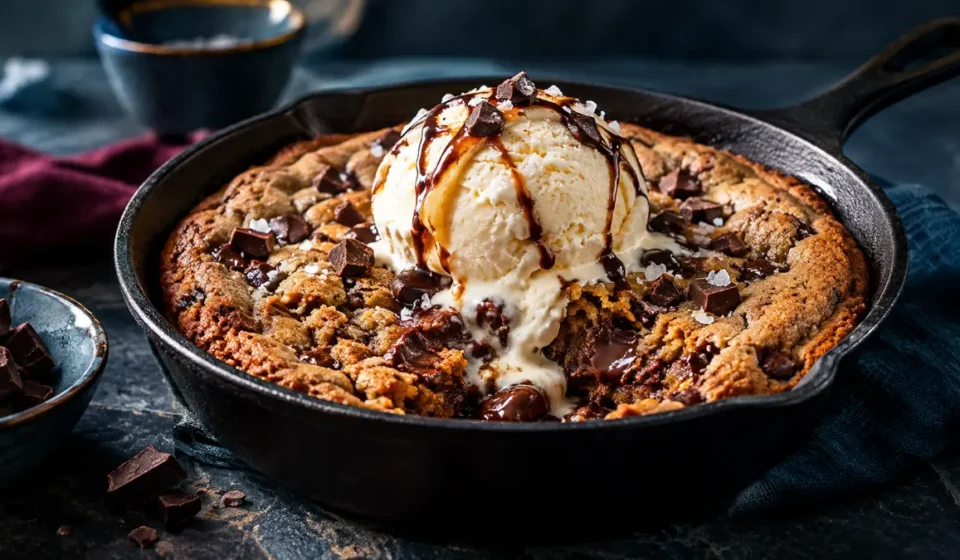
Typically, a Pizookie is a large, warm cookie baked in the skillet it was made in or a similar oven-safe pan and often served with a scoop of ice cream. The ultimate version has golden, crispy edges and a soft center, with chocolate oozing all around the place – you have an interplay between a warm cookie and the cool ice cream.
Easier to make at home than it looks, too. But the secret to success isn’t just baking time. The size of your pan, the thickness of your dough, the temperature of your butter, and where in the baking cycle you take a cookie out of the oven all contribute to what that texture finally is.
In this guide, we explain Pizookie – what it is, how to make one from scratch, how to select a pan for making and baking pizookies, tips for getting gooey, chocolatey centres in your pizookie without actually having the dough uncooked or at risk of giving you food poisoning, and what happens if things go wrong.
What Is a Pizookie?
Essentially, a pizookie is just a really big cookie, and the only thing you have to do to get an ultra-tame pizookie -and we mean hold all ice cream, even if you’re into that part- is fully bake everything in something cast-iron or another oven-safe recipient. In the pan, bake until the edges are hardened.
Usually referred to as a molten lava cake, this is typically baked as a single ramekin-sized soft centre mountain, often with the inside filled up with chocolate or caramel sauce and plated warm alongside ice cream.
BJ’s Restaurant & Brewhouse even registered a trademark for its Pizookie, calling the death-inducing gooey treat a “signature dessert.” Snack: A “warm cookie” that the company bakes in its proprietary deep-dish pan and adds ice cream.
Not so they can recreate the recipe from some iconic restaurant to fill an at-home void. So what is the bigger idea? You can be a large cookie baked in the skillet to ensure you are hot & ready to eat.
Why Is It Called a Pizookie?
The name combines the ideas of a pizza and a cookie.
The round shape and skillet presentation give it a pizza-like appearance, while the base is essentially cookie dough. BJ’s has used the Pizookie name for its signature dessert, making the term particularly associated with the restaurant.
For a homemade version, think of it as a cookie that is baked and served more like a shared dessert than a batch of individual cookies.
What Does a Pizookie Taste Like?
The flavor depends on the recipe and chocolate you use, but a classic version is:
- Buttery and rich
- Sweet with brown sugar and caramel-like notes
- Chocolatey
- Slightly crisp around the edges
- Soft and chewy in the center
Serving it warm adds another layer to the experience. The cookie is soft and warm while the ice cream slowly melts over the surface.
Brown butter can make the flavor even deeper because browning concentrates the buttery, nutty notes.
Is a Pizookie Just a Giant Cookie?
Not quite. A Pizookie uses cookie dough, but the baking and serving method changes the result. A traditional batch cookie is portioned into individual rounds and baked with space between each piece. A skillet version is baked as one thick mass.
That affects:
- Baking vessel: A skillet or baking dish replaces a cookie sheet.
- Thickness: The dough is usually much thicker than an individual cookie.
- Texture: The center can stay soft while the edges become golden.
- Serving temperature: It is commonly served warm.
- Toppings: Ice cream, sauces, nuts, and other toppings are often added after baking.
- Presentation: The dessert can be served directly from the pan.
A cross-section should show the main goal clearly: a set edge surrounding a noticeably softer center.
Pizookie vs. Cookie Cake vs. Dessert Pizza
These desserts can look similar, but their preparation and texture are not necessarily the same.
| Dessert | Typical texture | Common pan | Served warm? | Typical topping |
| Pizookie | Golden edges with a soft center | Skillet | Usually | Ice cream |
| Cookie cake | Soft or chewy | Cake or pizza pan | Optional | Frosting |
| Dessert pizza | Varies by recipe | Pizza pan | Sometimes | Fruit, chocolate, or other toppings |
There is no single formula that defines every version of these desserts. Recipes vary by baker and restaurant. The useful distinction is that a Pizookie is generally associated with a warm, skillet-baked cookie, often served with ice cream.
What Makes a Great Pizookie?
Before you start baking, it helps to know what the finished dessert should look and feel like.
The Edges Should Be Golden and Set
The outside should look baked and hold its shape when the pan comes out of the oven. The edges may be slightly crisp or chewy rather than hard. They should not be dark brown or dry. If the edges are already very dark while the middle still looks completely wet, the oven may be too hot, the pan may be unsuitable, or the dough may be too thick.
The Center Should Stay Soft
The center should be softer than the edges. That does not mean it should look like liquid cookie dough. A properly baked center can appear slightly soft and continue to firm as it rests. This is one reason visual cues are more useful than treating the listed baking time as an absolute rule.
Chocolate Should Stay Melty
Chocolate chips work well because they hold their shape while softening in the oven. Chopped chocolate creates a different effect. Smaller pieces melt into the dough, while larger chunks can create distinct pockets of chocolate. For a more balanced result, a mixture of chocolate chips and chopped chocolate works particularly well.
Why Ice Cream Works So Well
Warm cookie and ice cream provide a strong temperature contrast. As the ice cream melts, it also adds moisture and creaminess to the cookie. Vanilla is the classic choice because its mild flavor lets the browned butter, brown sugar, and chocolate stand out. Chocolate, caramel, coffee, and peanut butter ice cream can also work when you want a more intense combination.
Ingredients You Need
For a 9-inch skillet, this recipe makes one thick cookie that can be divided into several dessert portions.
Core Ingredients
- 1/2 cup unsalted butter – browned for deeper flavor
- 3/4 cup packed light brown sugar – provides sweetness and moisture
- 1/4 cup granulated sugar – helps balance the brown sugar and contributes to spread
- 1 large egg
- 1 large egg yolk
- 2 teaspoons vanilla extract
- 1 1/2 cups all-purpose flour
- 1/2 teaspoon baking soda
- 1/2 teaspoon fine salt
- 1 cup semisweet chocolate chips
- 1/2 cup chopped semisweet or dark chocolate
- Vanilla ice cream, for serving
For the best texture, measure flour carefully. Too much flour can turn a soft skillet cookie into a dry one.
Why Brown Butter Is Worth Using
Brown butter is simply butter that has been heated until some of its milk solids turn golden brown. As it cooks, the butter develops a deeper, nutty aroma. That flavor works particularly well with brown sugar and chocolate. To brown it, melt the butter in a light-colored saucepan over medium heat. Swirl occasionally and watch the milk solids. They will foam, then begin turning golden brown.
Once you smell a nutty aroma and see golden-brown specks, remove the pan from the heat. Transfer the butter to a heat-safe bowl so it does not continue cooking in the hot saucepan.
Let it cool until warm rather than hot before adding the eggs.
Choosing the Right Chocolate
Chocolate chips: Easy to use and provide recognizable pockets of chocolate.
Chocolate chunks: Create larger melted sections throughout the cookie.
Chopped chocolate: Gives a more varied texture because small pieces melt into the dough while larger pieces remain as pockets.
Semisweet chocolate: A balanced choice for a classic dessert.
Dark chocolate: Adds stronger cocoa flavor and reduces the perception of sweetness.
Milk chocolate: Produces a sweeter, creamier result.
How to Make a Pizookie
The recipe is straightforward, but the order matters.
1. Prepare the Skillet and Oven
Preheat the oven to 350°F (175°C).
Lightly grease a 9-inch oven-safe skillet, particularly if it is not well seasoned or naturally nonstick.
Have all of the ingredients measured before you begin. The browned butter should be cooled enough that it is warm rather than hot.
2. Brown the Butter
Place the butter in a saucepan over medium heat. As it melts, it will foam. Continue cooking and swirling the pan occasionally until the milk solids turn golden brown and the butter smells nutty. Immediately remove it from the heat and transfer it to a mixing bowl.
Do not rely solely on the clock. Butter can brown at different rates depending on the pan and heat level. Color and aroma are better indicators.
3. Cool the Butter Before Adding Eggs
Give the browned butter several minutes to cool. You want it warm but not hot. Adding eggs directly to very hot butter can partially cook them, which can create an uneven mixture. This short cooling step is easy to overlook and can make the mixing process much smoother.
4. Mix the Wet Ingredients
Whisk the brown sugar and granulated sugar into the browned butter. Add the egg, egg yolk, and vanilla. Mix until the ingredients are evenly combined. The mixture should look smooth and glossy.
5. Add the Dry Ingredients
In a separate bowl, whisk together the flour, baking soda, and salt. Gradually add the dry ingredients to the wet mixture. Stir only until the flour is incorporated. Overmixing can develop more gluten and make the finished cookie tougher.
6. Fold in the Chocolate
Fold in the chocolate chips and chopped chocolate. Try to distribute the chocolate evenly so that each portion gets a good mixture of melted chocolate. Reserve a small handful for the top if you want a more attractive finished surface.
7. Spread the Dough in the Pan
Transfer the dough to the prepared skillet. Use a spatula or the back of a spoon to spread it evenly from the center toward the edges. Pay attention to thickness. A thick mound in the middle will need longer to bake than an evenly distributed layer.
8. Bake Until the Edges Are Set
Bake at 350°F for approximately 18-24 minutes, checking toward the early end of the range. The exact time can vary because ovens, pans, and dough thickness differ.
Look for:
- Golden edges
- A set outer surface
- A center that is softer than the edges
- No obviously wet layer of raw dough on the surface
If you prefer a firmer center, continue baking for a few additional minutes. For food safety, dishes containing eggs should be cooked thoroughly. The USDA recommends cooking egg-containing dishes to 160°F (71°C) when measured with a food thermometer.
9. Rest Briefly and Serve
Remove the skillet from the oven and let the cookie rest for about 5-10 minutes. The center will continue to set as the residual heat works through the dough. Top with vanilla ice cream and serve while the cookie is still warm. Do not eat the dough straight from the mixing bowl. Raw cookie dough can contain raw eggs and is not considered safe to eat.
The Best Pan Size for a Pizookie
Pan size changes more than the number of servings. It changes the thickness of the dough, the ratio of edge to center, and how quickly the middle cooks.
8-Inch Skillet
An 8-inch skillet creates a thicker cookie because the same amount of dough is spread across a smaller area. That can give you a very soft center, but it also means the middle needs more time to cook through. Watch the center carefully rather than simply extending the recipe’s standard baking time.
9-Inch Skillet
A 9-inch skillet provides a useful balance between thickness and surface area. It gives you enough depth for a soft center while still providing plenty of golden edge. For this recipe, it is the recommended starting point.
10-Inch Skillet
A 10-inch skillet spreads the dough over a larger area. The result will generally be thinner, with more edge relative to the center. Start checking earlier than you would with a smaller, deeper pan.
12-Inch Skillet
A 12-inch skillet creates a noticeably wider and thinner cookie. It can be useful when serving more people, but the texture will differ from a thick 9-inch version. Because the dough layer is thinner, it can bake more quickly. Watch the edges and center rather than assuming the same timing will work.
What If You Don’t Have a Cast-Iron Skillet?
You do not need cast iron specifically.
A suitable alternative can include:
- An oven-safe stainless-steel skillet
- Another oven-safe skillet
- A cake pan
- A pie dish
- Another appropriately sized oven-safe baking dish
The most important consideration is size and depth, not simply the material. If you change both the pan material and dimensions, expect the baking behavior to change as well.
| Pan size | Relative thickness | Texture tendency | What to watch |
| 8-inch | Thicker | Softer center | Center needs time |
| 9-inch | Medium-thick | Balanced | Watch the edges |
| 10-inch | Thinner | More edge area | Avoid overbaking |
| 12-inch | Thinner | Wider, flatter cookie | Check earlier |
These are texture guidelines rather than guarantees of exact baking times.
How to Get a Gooey Center Without Leaving It Raw
This is the most important technique to understand.
Gooey and raw are not the same thing.
A soft center is part of the desired texture. Raw dough is different: it can look wet, loose, or unset rather than simply soft.
What a Properly Baked Center Looks Like
Look for a combination of signs:
- The edges are clearly set.
- The surface is no longer visibly wet.
- The center is softer than the edges.
- Melted chocolate may still look glossy.
- The cookie holds its shape when the pan is moved.
- The center becomes firmer as it rests.
If the center looks like loose batter rather than a soft cookie, it needs more cooking.
Why Pizookie Continues Cooking After Baking
The pan and cookie retain heat after leaving the oven. That residual heat continues moving through the center while the cookie rests. As a result, the texture immediately after baking can be softer than it will be five or ten minutes later. This is why removing the cookie at the right stage matters. Waiting until the center looks completely firm in the oven can leave you with a dry dessert after cooling.
Factors That Control Gooeyness
Pan size: A smaller pan makes a thicker cookie.
Dough thickness: More depth generally means a slower-cooking center.
Flour quantity: Excess flour absorbs moisture and can produce a firmer, drier result.
Oven temperature: A hotter oven can brown the edges before the center is ready.
Baking duration: More time produces a firmer center.
Butter temperature: Very warm butter can affect how the dough comes together and spreads.
Resting time: The center continues to set after baking.
The easiest approach is to control one variable at a time. If your first attempt is too firm, shorten the baking time slightly on the next batch rather than changing several ingredients at once.
Three-Stage Doneness Guide
Underdone:
Edges are pale, and the center looks wet or batter-like.
Perfectly soft:
Edges are golden and set, while the center remains soft but no longer looks like raw batter.
Overbaked:
The center is firm, and the edges are dark, dry, or hard. This simple visual guide is more useful than relying on a timer alone.
Common Pizookie Mistakes and How to Fix Them
The Pizookie Is Too Dry
The most common causes are overbaking and excess flour.
Check whether you:
- Baked significantly beyond the point where the edges were set.
- Packed flour into the measuring cup.
- Used a larger pan without adjusting your expectations.
- Left the cookie in the hot skillet for a long time before serving.
For the next batch, measure flour by weight if possible and start checking earlier.
The Center Is Still Raw
A thick center needs more time.
Possible causes include:
- Using a smaller pan.
- Spreading the dough too thickly in the middle.
- An oven that runs cooler than its displayed temperature.
- Removing the cookie before the surface has set.
If the edges are getting dark while the center remains wet, the issue may be uneven cooking rather than simply needing much more time.
The Pizookie Spreads Too Much
Excessive spreading can be related to:
- Butter that was too hot.
- Ingredient proportions.
- Too little flour.
- A very warm kitchen.
- A pan that spreads the dough more thinly than expected.
Allowing the browned butter to cool before mixing is especially important.
The Edges Burn Before the Center Is Done
Check:
- Oven temperature.
- Pan material.
- Pan size.
- Rack position.
A very dark pan or an oven that runs hot can change browning behavior. If the edges consistently darken too quickly, verify your oven temperature and consider a lighter-colored baking vessel.
The Chocolate Burns
Chocolate exposed on the surface can darken faster than the surrounding dough. If this happens repeatedly, mix more of the chocolate into the dough instead of leaving large amounts exposed on top. You can also add reserved chocolate after baking while the cookie is still warm for a softer melted finish.
Pizookie Flavor Variations
Once the base recipe works, you can change the flavor without changing the basic method.
Classic Chocolate Chip
Use semisweet chocolate chips throughout the dough and serve with vanilla ice cream. This is the simplest version and a good starting point.
Double Chocolate
Add cocoa powder to the dough while reducing the flour appropriately, then use semisweet or dark chocolate pieces. The result is richer and more intensely chocolatey.
Salted Caramel
Add caramel pieces or drizzle caramel sauce over the baked cookie. Finish with a small pinch of flaky salt and vanilla ice cream. The salt helps balance the sweetness.
Peanut Butter Chocolate
Add peanut butter chips or small pieces of peanut butter alongside chocolate chips. For an even stronger flavor, serve with peanut butter or vanilla ice cream.
S’mores
Add chocolate pieces and crushed graham crackers to the dough. For the marshmallow element, add marshmallows toward the end of baking so they can brown without becoming excessively dark.
Seasonal Versions
A few easy combinations include:
- Peppermint chocolate: Dark chocolate with crushed peppermint.
- Pumpkin spice: Warm spices with white or semisweet chocolate.
- White chocolate cranberry: White chocolate pieces with dried cranberries.
Keep the base dough consistent and change only a few flavor elements at a time. That makes it easier to understand what each variation contributes.
Best Pizookie Toppings
Toppings should add contrast rather than simply more sweetness.
Ice Cream
Good choices include:
- Vanilla
- Chocolate
- Coffee
- Caramel
- Peanut butter
Vanilla is the easiest pairing because it complements the cookie without competing with the chocolate.
Sauces
Popular options include:
- Hot fudge
- Caramel
- Peanut butter sauce
Use sauces sparingly at first. The cookie and ice cream are already rich.
Crunchy Toppings
For texture, try:
- Chopped nuts
- Toffee pieces
- Cookie crumbs
- Flaky salt
A small amount can provide contrast against the soft cookie and melting ice cream.
The Best Classic Combination
For a balanced starting point, serve the warm cookie with vanilla ice cream, a drizzle of chocolate or caramel sauce, and a small pinch of flaky salt. The combination gives you warm, cold, creamy, chocolatey, and slightly salty elements without overwhelming the cookie itself.
Easy Ingredient Substitutions
Substitutions work best when you understand what the original ingredient contributes.
Chocolate Substitutions
You can replace semisweet chocolate with dark or milk chocolate. Dark chocolate will give you a more intense, less sweet result. Milk chocolate will make the dessert sweeter and creamier.
Light vs. Dark Brown Sugar
Both can work. Light brown sugar provides a milder caramel note, while dark brown sugar has a deeper molasses flavor. If you switch between them, expect a small flavor difference rather than a completely different dessert.
Butter Options
Regular melted butter can replace browned butter when you want a simpler process. You will lose some of the nutty flavor created during browning, but the cookie can still work well. The important point is to let melted butter cool before mixing it with the eggs.
Chocolate Chips vs. Chocolate Chunks
Chocolate chips are consistent and easy to distribute.
Chunks create larger pockets of melted chocolate and can make the texture feel more varied.
A combination of both gives you the best of each.
Pan Substitutions
If you change the pan, pay attention to its diameter and depth.
A similar-volume baking dish is generally easier to adapt than a dramatically different one.
Use the pan-size guidance above and rely on visual doneness cues rather than copying the original baking time exactly.
How to Store, Reheat, and Freeze Pizookie
A skillet cookie is best fresh, but leftovers can still be enjoyable.
How to Store Leftovers
Let the cookie cool before storing it.
Place leftovers in an airtight container. For food safety, refrigerate cooked egg-containing leftovers promptly rather than leaving them at room temperature for extended periods. USDA guidance recommends refrigerating cooked egg dishes promptly and using them within 3-4 days.
The texture will become firmer after refrigeration, so reheating is useful before serving.
How to Reheat Pizookie
Warm individual portions gently in the microwave until heated through.
Short intervals are better than one long heating period because the cookie can become dry or overly firm when overheated.
For a larger portion, gentle oven reheating can help restore a warm, freshly baked feel.
Add ice cream after reheating rather than before.
Can You Freeze Pizookie?
Yes, you can freeze portions for later.
Cool the baked cookie completely, divide it into portions, wrap them well, and place them in a freezer-safe container or bag.
For the best texture, use frozen portions within a reasonable storage period and thaw or reheat gently.
Can You Prepare the Dough Ahead?
Yes. Preparing the dough ahead can be especially useful when serving guests. Keep the prepared dough covered and refrigerated, then bake it when you are ready. Because chilled dough behaves differently from room-temperature dough, allow for some variation in baking time and use the visual doneness cues rather than assuming the original timing will always be exact.
Make Tonight vs. Prepare Ahead
Making it tonight:
- Mix dough.
- Bake.
- Rest briefly.
- Add ice cream.
- Serve.
Preparing ahead:
- Mix dough.
- Cover and refrigerate.
- Bake closer to serving time.
- Rest briefly.
- Add toppings immediately before serving.
For a dinner party, the second approach lets you serve a warm dessert without doing all the preparation after the meal.
How to Serve Pizookie for a Group
A skillet cookie works particularly well as a shared dessert.
How Many People Does One Pizookie Serve?
A 9-inch version can generally provide around 6-8 moderate dessert portions, depending on how much ice cream and topping each person receives. An 8-inch version will provide fewer portions, while a 12-inch version can be cut into more servings. Treat these as practical estimates rather than fixed serving rules.
When to Add Ice Cream
Wait until the cookie has rested for several minutes. Adding ice cream immediately to an extremely hot skillet can cause it to melt rapidly before everyone is ready to eat. For the best presentation, add the scoop shortly before serving.
How to Serve Individual Portions
For a group, cut the cookie into wedges like a pie.
Place each portion on a plate and add ice cream individually.
This gives everyone a similar amount of cookie and makes toppings easier to control.
If you are serving fewer people, you can also serve directly from the skillet.
Make-Ahead Hosting Plan
Earlier: Prepare the dough and refrigerate it.
Before serving: Spread the dough into the prepared pan and bake.
After baking: Let it rest for about 5-10 minutes.
At serving: Add ice cream and sauces.
This approach keeps the dessert warm without requiring you to prepare the entire recipe while guests are waiting.
Pizookie Information Gaps Most Recipes Don’t Explain
The biggest challenge with this dessert isn’t mixing the dough. It is understanding how small changes affect the finished texture.
Pan Size Changes More Than Serving Size
Changing from a 9-inch pan to a 12-inch pan does more than make a larger dessert. The same amount of dough is spread over a larger surface, making the layer thinner. That means you get more edge area and less depth in the center. Conversely, a smaller pan creates a thicker layer that takes longer for heat to reach through. That is why copying the same baking time after changing pans can produce inconsistent results.
Gooey Does Not Mean Raw
A soft center is desirable, but raw batter is not. A properly baked center should be soft and moist while the surface has set. If the center still looks like loose batter, give it more time. If it is firm throughout and the edges are dark, it has likely gone too far. This distinction is particularly important because recipes sometimes use the word “gooey” loosely.
Why the Center Changes After Baking
The skillet and cookie remain hot after leaving the oven. That stored heat continues to move through the center, allowing the structure to firm gradually. Resting also makes the cookie easier to portion without immediately collapsing. This is why a Pizookie can look slightly softer when it first comes out than it does after several minutes of cooling.
How Ingredients Affect Texture
Each major ingredient has a job.
Flour → structure: Too much can make the cookie dense or dry.
Brown sugar → moisture and chew: It contributes sweetness while helping maintain a softer texture.
Butter → richness and spread: Browning also adds deeper flavor.
Eggs → binding and structure: They help hold the dough together and contribute to its final texture.
Chocolate → flavor and melted pockets: The type and size of chocolate pieces change how the finished dessert tastes and feels.
Understanding these roles makes substitutions and troubleshooting much easier.
How to Diagnose a Failed Pizookie
Use this simple framework:
| Problem | Likely cause | What to adjust |
| Dry center | Overbaking or excess flour | Check earlier and measure flour carefully |
| Wet center | Too thick or underbaked | Check pan size and extend baking |
| Burnt edges | Excessive heat or unsuitable pan | Verify oven temperature and pan |
| Excessive spreading | Warm butter or dough imbalance | Cool butter and check measurements |
| Hard texture | Overmixing or overbaking | Mix only until combined and watch doneness |
| Chocolate too dark | Too much exposed chocolate | Mix more chocolate into the dough |
The goal is not to change everything at once. Identify the most likely cause, make one adjustment, and compare the result.
Frequently Asked Questions
What is a Pizookie?
These days, every chocolate chip cookie skillet has a moniker-really, this is more than just any ordinary chocolate chip cookie. A giant, frequently gooey cookie baked in a skillet (or comparable) and served warm with ice cream on top. The edges are a touch crispier, but the centres remain that soft and gooey.
Why is it called a Pizookie?
That’s a play on a pizza cookie name. In that, pizza will be dough pastry, though all stuff to them as ridiculous from their own view is round pizza with the paper boundless.
What is a Pizookie, and how is it usually served?
A Pizookie is essentially a large, freshly baked cookie that’s served warm, often in a hot skillet with a gooey center and a scoop of ice cream on top. It can also be made in a larger cookie-cake style and topped with icing.
What pan size should you use to make a Pizookie?
A 9-inch skillet is a versatile pan to make a thick style with something soft-centered and golden edges. The smaller the pan, generates more into thicker cookies, while bigger pans produce thinner ones.
How to Know When a Pizookie Is Done Baking
Search for golden, firm edges and a surface that no longer looks wet. It should still be a bit soft in the center but not liquidy, raw-batter-looking.
Why Is My Pizookie Still Raw in the Centre?
The dough may be thicker, the pan might be smaller than you think, your oven runs cool, or the cookie just needs another minute of bake time. In the case of dark edges with wet centers, review the oven temperature and pan also.
How do you not undercook a Pizookie and make it gooey?
However, using the right size pan, weighing flour for measuring with a scale, and not overbaking – err on the side of taking the cookie out of the oven when the edges are done but the center is slightly moist, instead of waiting until the whole surface is firm will help ensure results:
Do I need a cast-iron skillet to make a Pizookie?
Yes. Any skillet that is safe for the oven, round cake pan, pie dish, or vessel shaped similar to one of those works. At this point, diameter and depth rank higher than cast iron in particular.
Can I make the cookie dough ahead of time?
Yes. If you want to, too, feel free to make the dough in advance and keep it covered in the fridge until ready to bake. The baking time is a modification for the chilled dough.
How To Store And Reheat Leftover Pizookie?
Leave the remnants to cool down and store in a hermetically sealed jar in the refrigerator. Wipe with neutral oil, refrigerate overnight. However, the USDA recommends that cooked egg products be stored immediately in the refrigerator and eaten within 3-4 days.
Conclusion
A good skillet cookie is all about contrast: golden edges, a soft center, melted chocolate, and ice cream on top.
The biggest factor is not a single magic baking time. Pan size, dough thickness, ingredient measurements, oven temperature, and carryover cooking all affect the final result.
For your first attempt, use a 9-inch skillet and focus on the visual doneness cues rather than relying only on the timer. Once you have the texture right, experiment with dark chocolate, salted caramel, peanut butter, or s’mores-style toppings.
The best next step is simple: make the classic version first, learn what the properly baked center looks like, and then customize it to your taste.